
Don’t Give Up on Your Garden Yet
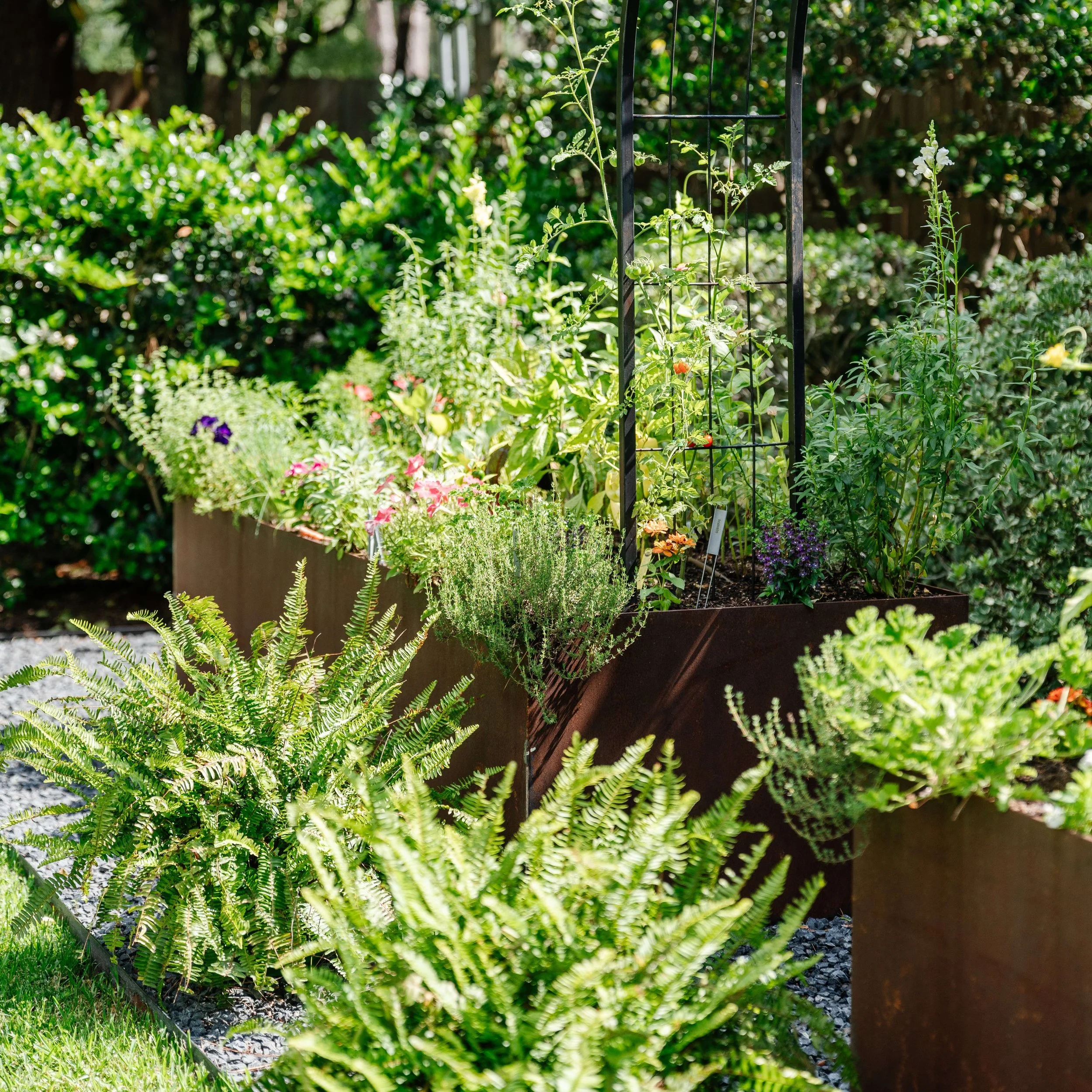
Boy, it’s hot outside, right?! August is a tough month for our Houston gardens. The heat, humidity, and long stretches without rain can put a lot of stress on our plants, and it’s common for a garden that looked great a few months ago to look pretty tired right now.
That doesn’t necessarily mean something is wrong, just that, like the rest of us, your plants are simply doing their best to get through the summer.
The heat is gonna get ya
Wilting
During periods of extreme heat, one of the most common things you’ll see is wilting. This doesn’t mean your plants are dead or dying, especially if they perk back up in the evening once the temperature cools, they’re just responding to the heat. When it’s hot, plants can lose water through their leaves faster than their roots can replace it and temporary wilting is one way they conserve water.
If a plant is still wilted in the morning, however, that’s worth investigating. Check the soil a few inches below the surface rather than relying on how it looks from above. If it’s dry, the plant may need a deeper watering. If the soil is pretty wet, the problem may be poor drainage or roots that aren't functioning properly.
Yellow and Crispy
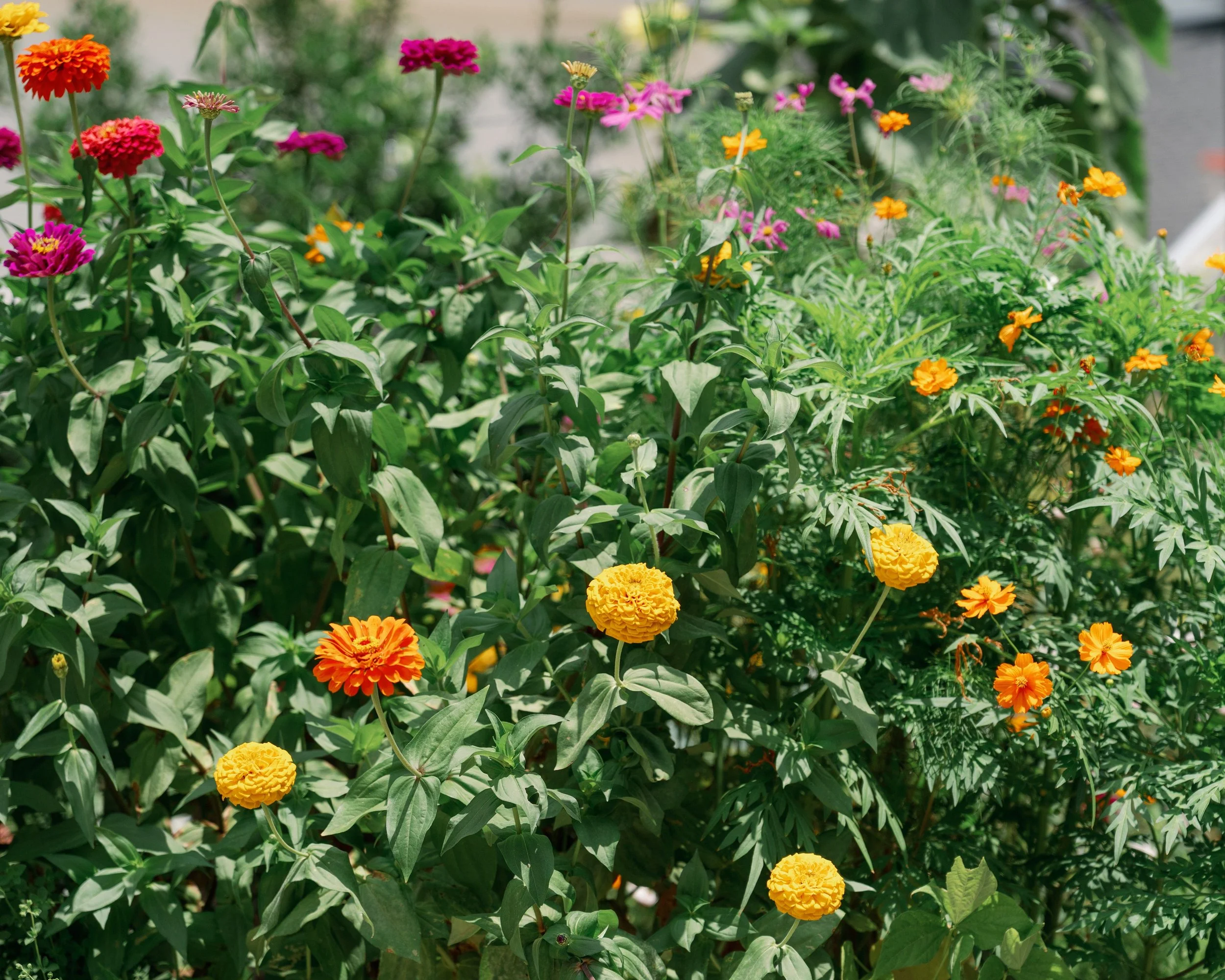
Heat can also cause leaves to yellow, brown, curl, or get crispy edges. Some plants will lose their older leaves as they prioritize keeping the rest of the plant alive. You may see some sunscald, pale or brown patches on leaves and fruit, particularly when plants are exposed to intense afternoon sun.
Bugs
This is also a good time to keep an eye out for pests. Plants under heat stress can be more vulnerable to insect damage, and some pests are especially active during the summer. Look underneath leaves and along stems for aphids, whiteflies, caterpillars, spider mites, and other signs of activity. Catching and treating an infestation early is much easier than trying to deal with it once it has spread.
So what should you do?

Water
First, make sure your plants are getting enough water. During extreme heat, watering deeply is generally more useful than giving plants a little water every day. The goal is to get water down into the root zone rather than just wetting the surface of the soil. Container plants may need more frequent watering because they dry out much faster than plants growing in the ground.
Put the clippers down
Resist the urge to prune everything that looks bad. If a leaf is damaged but still has some green tissue, it may still be contributing energy to the plant. Removing dead or diseased material is useful, but extensive pruning during extreme heat can add more stress. When in doubt, wait for cooler weather before doing major pruning.
Judgement-free zone
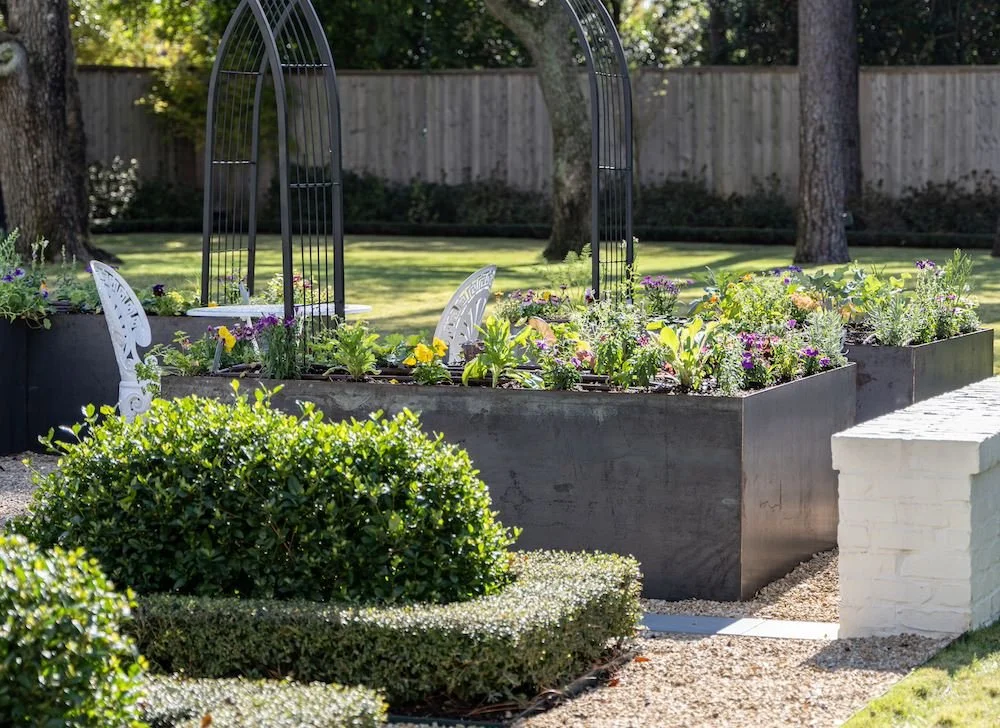
Most importantly, don't judge the health of your garden by how it looks in the middle of August. Houston summers are hard on plants. Some will struggle, some will go dormant, and some may not make it. That doesn't mean you did anything wrong.
Your job right now is mostly to help your plants get through the heat. Keep them watered, liquid fertilize weekly or every other week, watch for pests and disease, and remove anything that's clearly dead or diseased. Then, as temperatures begin to cool, you'll have a much better idea of what needs attention.
Fall is just around the corner and cooler weather will give your garden a chance to recover and start growing again.