
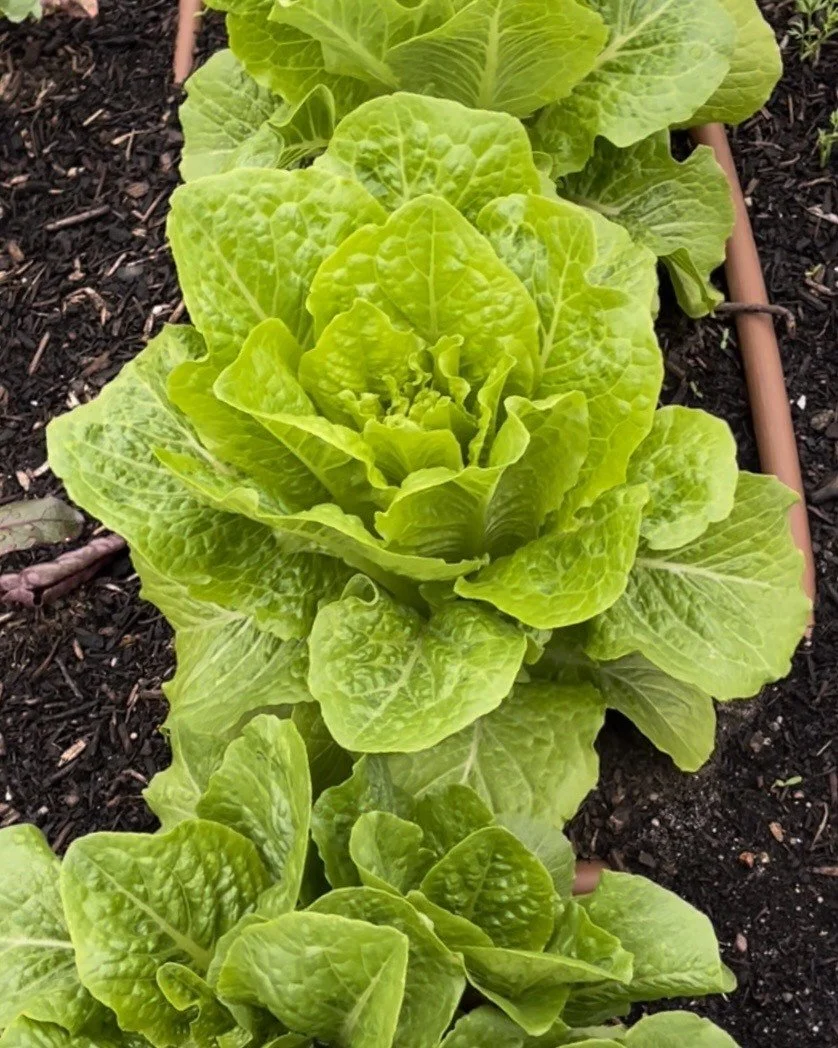
Lettuce is one of the most popular crops among home gardeners, and it’s easy to see why. There's nothing quite like picking fresh lettuce straight from your own garden. But while lettuce may seem like an easy vegetable to grow, it can actually be a little more particular than people realize. It has specific temperature preferences, doesn't love our hot weather, and requires regular attention to keep it producing those tender, delicious leaves. Knowing when and how to harvest it can make all the difference!
Timing is everything
Most lettuce varieties are ready to harvest about 30–45 days after planting, although this can vary depending on the variety and growing conditions. You can begin harvesting individual outer leaves once the plant is established and has enough growth to support it.
For leaf lettuce, simply pick the larger outside leaves and leave the smaller inner leaves intact so the plant can continue growing. This is a great way to enjoy fresh lettuce over several harvests.
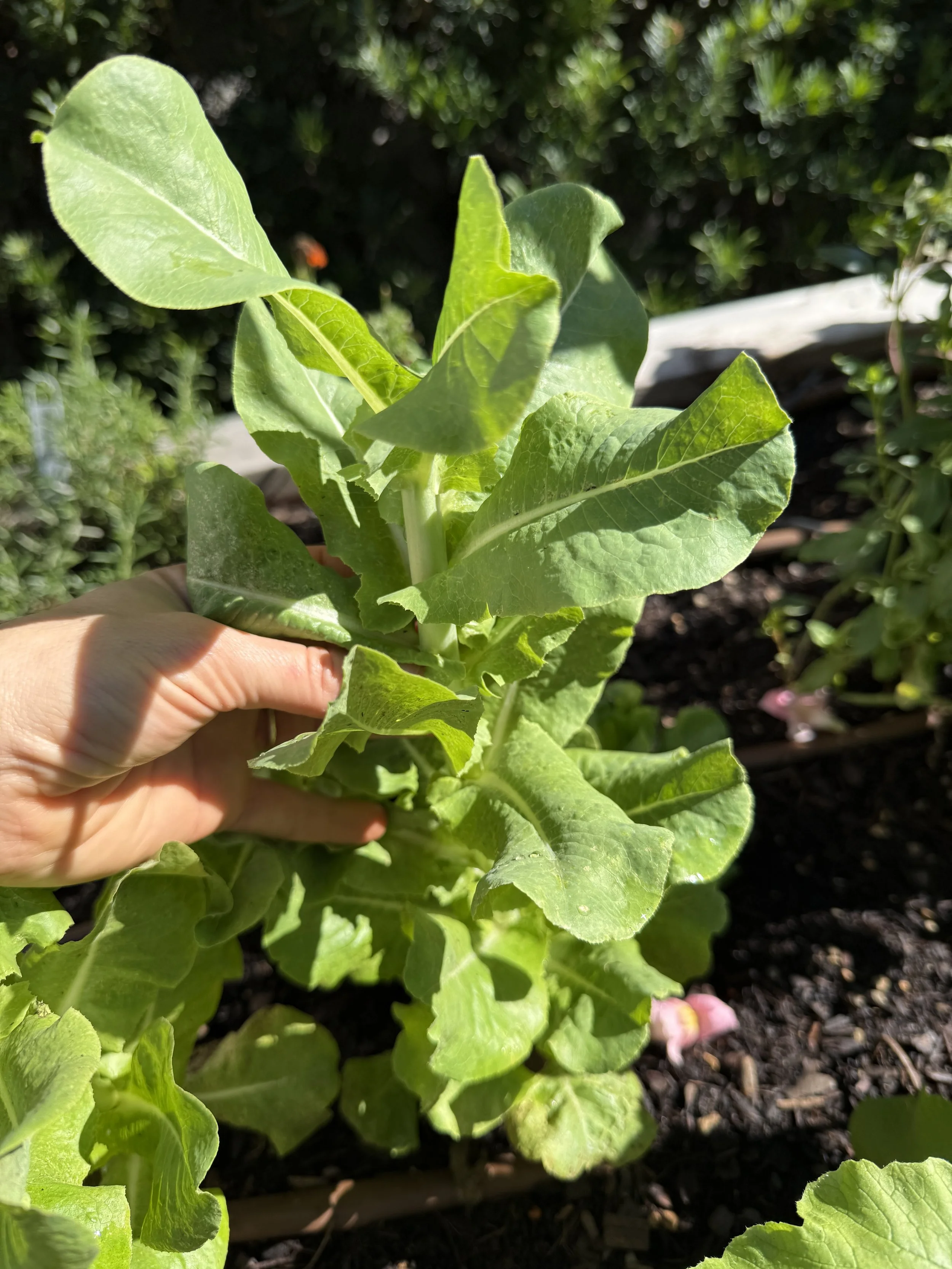
Lettuce beginning to bolt (go to seed). A stalk will come up from the middle and eventually flower, then create seeds. When your lettuce plant starts getting tall, harvest the leaves and replant new lettuce plants.
For head lettuce, wait until the head has filled out and feels firm, then cut it off at the base.
The best time of day to harvest lettuce is in the morning, when the leaves are cool, crisp, and full of moisture. Avoid harvesting during the heat of the afternoon, when leaves are more likely to be wilted and stressed. Use clean scissors or a sharp knife to make clean cuts, and handle the leaves gently to prevent bruising. Once harvested, rinse the lettuce, dry it thoroughly, and store it in the refrigerator to help maintain its freshness.
Succession planting
One thing to keep in mind is that lettuce is a relatively short-lived crop, especially in our climate. It prefers cool temperatures and can quickly become stressed when the weather gets too warm. As temperatures rise, lettuce may bolt (send up a flower stalk), become bitter, or stop producing tender leaves. Rather than expecting one planting to last indefinitely, plan to replace your lettuce every 30–45 days.
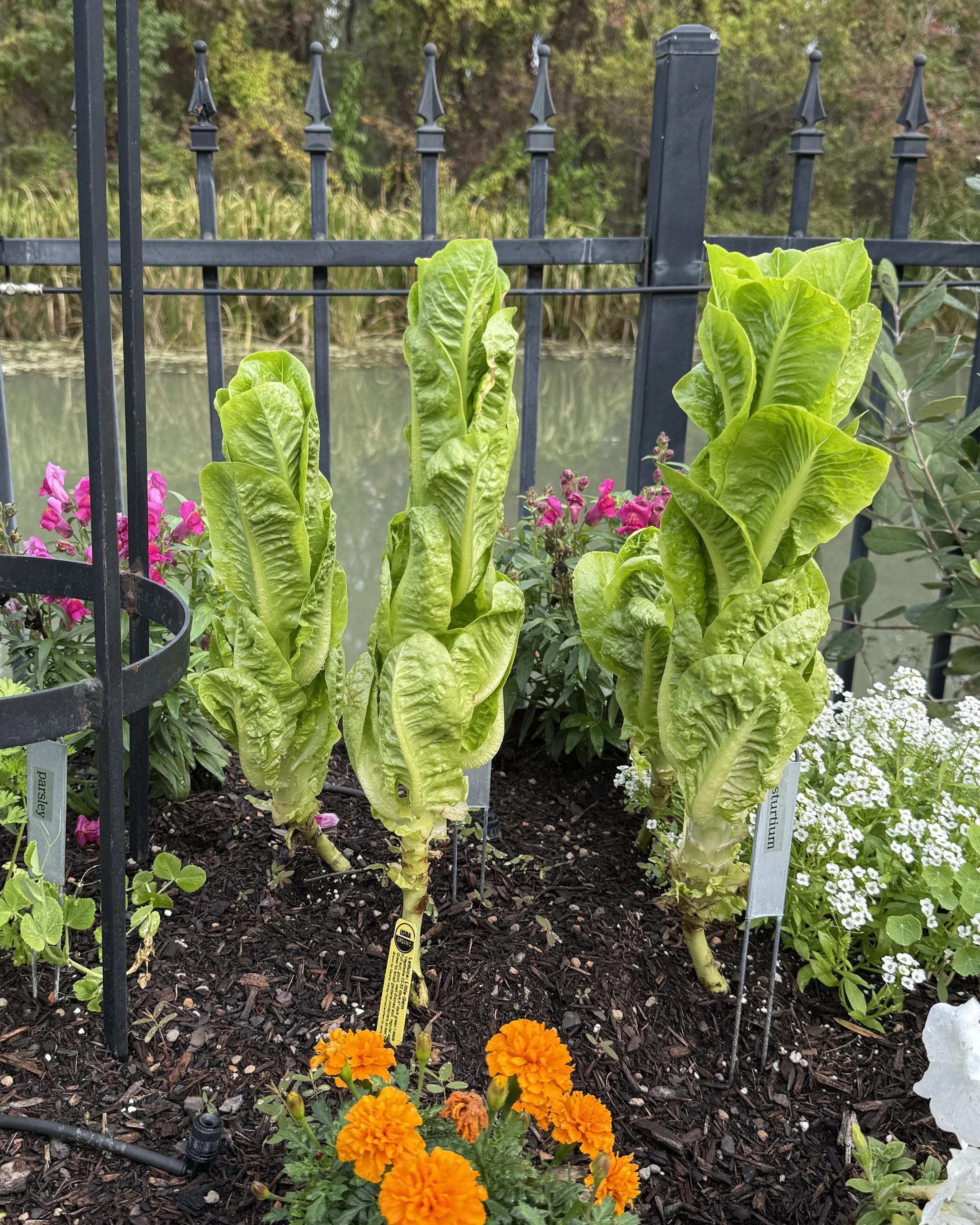
When lettuce gets tall like this it’s beginning to bolt and the leaves will begin to taste bitter. At this stage, it’s best to pull it out, eat what you can, and start over with fresh plants.
Succession planting, or planting a new batch every few weeks, is a great way to maintain a continuous supply while making sure you always have young, productive plants in the garden.
A little attention goes a long way when it comes to growing lettuce.
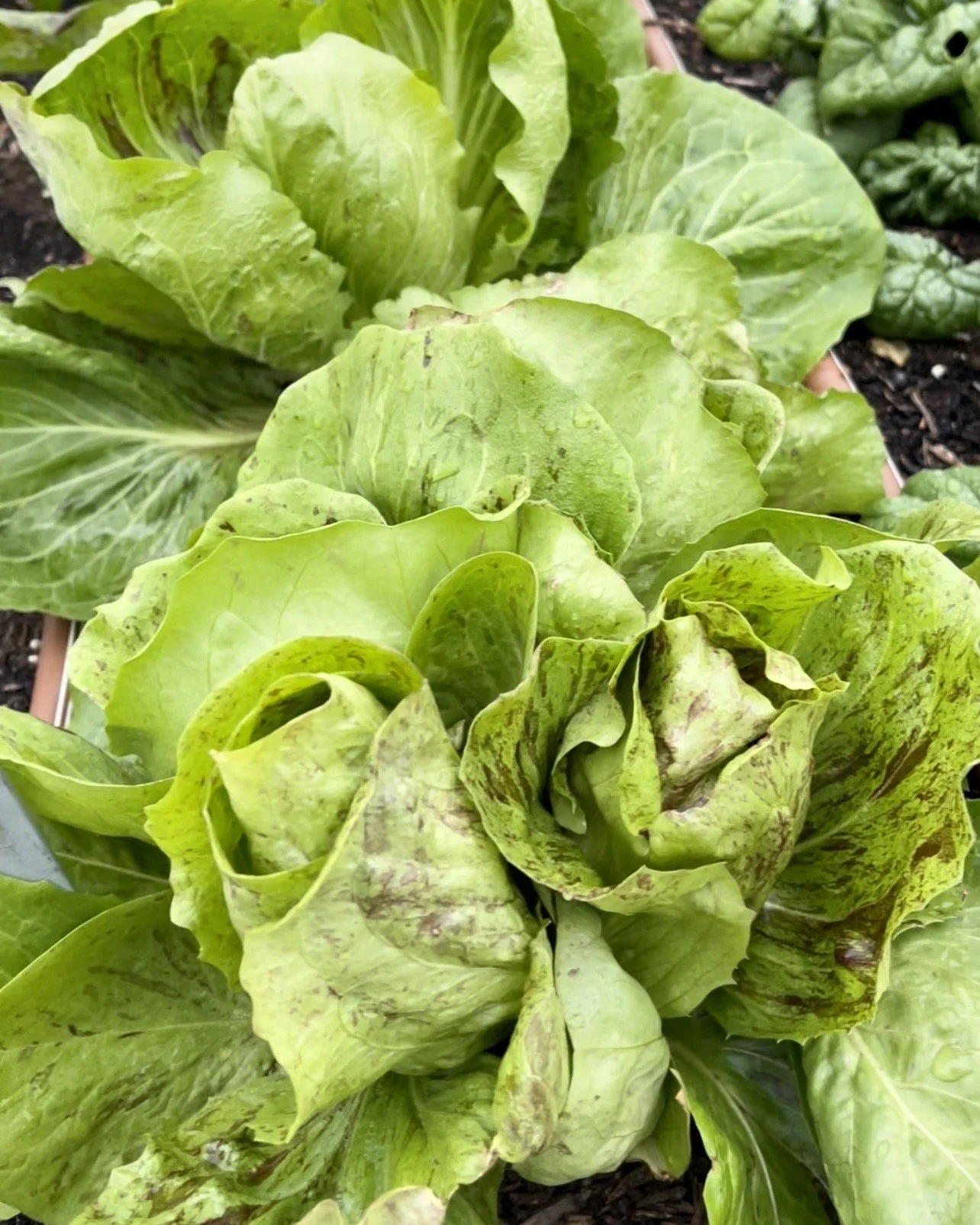
There are many varieties of lettuce. This one is a multi-colored variety. Don’t worry if you have one of these; it’s supposed to be green and purply-brown.
With regular harvesting, timely replanting, and a close eye on the weather, you can enjoy fresh greens throughout the growing season. And remember, sometimes the secret to a productive garden isn't growing a plant longer, it's knowing when to start fresh!