
Pest Pressure: Soil-dwellers
We’re talking about when good bugs go bad. Many soil-dwelling bugs are actually great for the garden because they help break down decaying matter like leaves and wood as well as help aerate compacted soil. But even the best among us can go down a bad path and when the good guys start eating our tender plants or farming other bugs that ruin our leaves, then we must take action. Read on for info and advice about how to keep these soil bugs from ruining your hard work.
Roly-polies
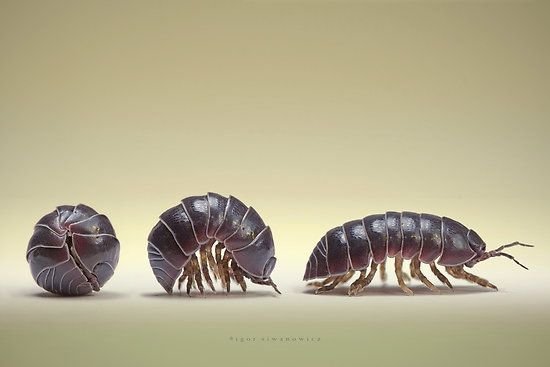
This one is paining me right now. “Roly-polies”, or pill bugs, are segmented isopods that live in consistently moist to wet soil and generally feed on decaying material like wood, leaves, and dead insects in mulch or compost. But I’ve recently learned that they also love the sweet taste of tender seedlings. Just this week these hard-backed pests, along with their snail friends, eradicated most of my bean seeds before they even emerged from the soil… I was not pleased.
There are a few ways to deal with pill bugs. The first thing to do is reduce watering and let the garden dry a little before watering again. This can be tough when you’ve had several days of rain with little reprieve.
We can use Diatomaceous Earth (DE), a white powder made from diatoms which are microscopic sea creatures. Even though it’s a soft powder to us, the individual grains are still sharp and pointy, which can be deadly to bugs with exoskeletons. DE works well as long as it’s dry. It’s also non-discriminatory about who it hurts, meaning if bees, wasps and other pollinators get into it, they can be hurt as well. So be careful to only put it on the soil and not any flowers or leaves.
Some manual ways to remove roly-polies are by placing large leaves or cardboard on top of the soil overnight. In the morning, the underside will be covered in isopods, which you can then throw in the trash. Apparently, pill bugs are attracted to the yeast in drinks like beer. I haven’t tried this, but fill a shallow dish with cheap beer (don’t waste the good stuff on garden pests!), place in the garden overnight, and in the morning it should be full of pill bugs that you can then throw away.
All of these work, but you have to do them repeatedly and stay on top of it. It’s likely that roly-polies have laid lots of eggs in your garden. So even if you remove many bugs, there will be more coming.
Ants
Ants can actually be good for your garden! They move around, aerating compacted soil and eating pests like termites, fleas, fly larvae, and caterpillars. But ants can also become a nuisance by liking your garden so much that they create large colonies right in the soil. It’s no fun to begin pulling up and planting new plants only to be instantly covered by an angry mob of biting ants living in your garden. Not to mention, ants bring aphids to suck the sap out of new growth because they like the sticky, sweet “honeydew” secreted by aphids.
If you’re struggling with too many ants, take a small jar, add a few tablespoons of boric acid mixed with a little honey as a bait, and set it laying down in the garden. The ants will be attracted by the honey and bring the boric acid back to the colony which will help eradicate it. I hate the idea of killing anything, but I also hate the idea of my whole garden turning into one huge biting ant bed. We do what we must.
Snails/slugs
Snails are just as bad, and wreak the same havoc, as pill bugs. They climb their slimy selves all over your plants, eating holes in leaves, flower petals, and fruits as they go. Sluggo and other pelleted snail bait works very well, but it also needs to be dry. So look at the weather and make sure you’ve got at least a few days of no rain before spreading it.
Pests are a problem we all face at some point and many can be good for the soil and garden ecosystem, as long as the colony stays small. But once they begin to infest is when we need to take action. Good luck and happy gardening!