
Why we put flowers in the garden
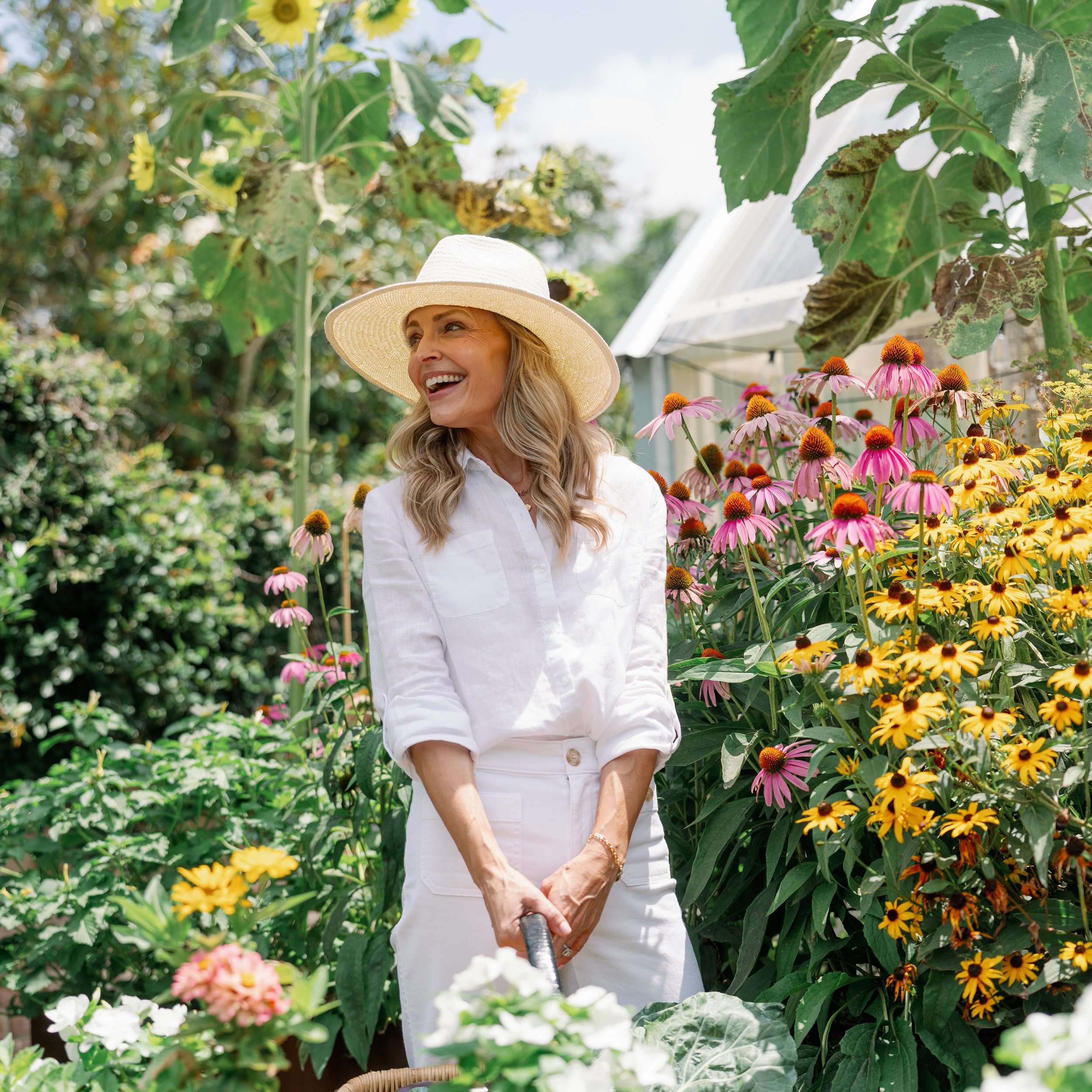
We love putting flowers in all our gardens, not just for the color and beauty, but because they support the pollinators that keep everything else thriving. Bees, butterflies, and even hummingbirds play a huge role in helping crops like tomatoes, cucumbers, eggplants, and beans set fruit. In the South, where long, hot summers can be tough on plants, choosing the right flowers makes all the difference. While it may feel like flowers take up space that could go to edibles, they more than earn their keep by creating a healthier, more productive garden ecosystem. And honestly, a garden full of blooms just feels alive in a way that’s hard to replicate.
For spring and summer in the South, these are some of our favorite reliable, pollinator-friendly flowers:
Angelonia
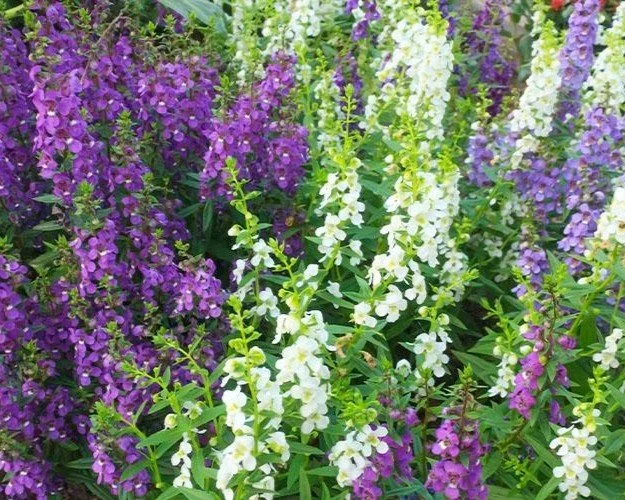
Angelonia is a fantastic choice for Southern gardens because it thrives in heat and humidity without missing a beat. It produces tall spikes of pink, purple, or white flowers that bloom continuously from spring through fall. While it’s not the top pollinator magnet, bees will still visit, especially when other nectar sources are limited. It’s a great “backbone” flower, reliable, upright, and long-lasting.
Vinca
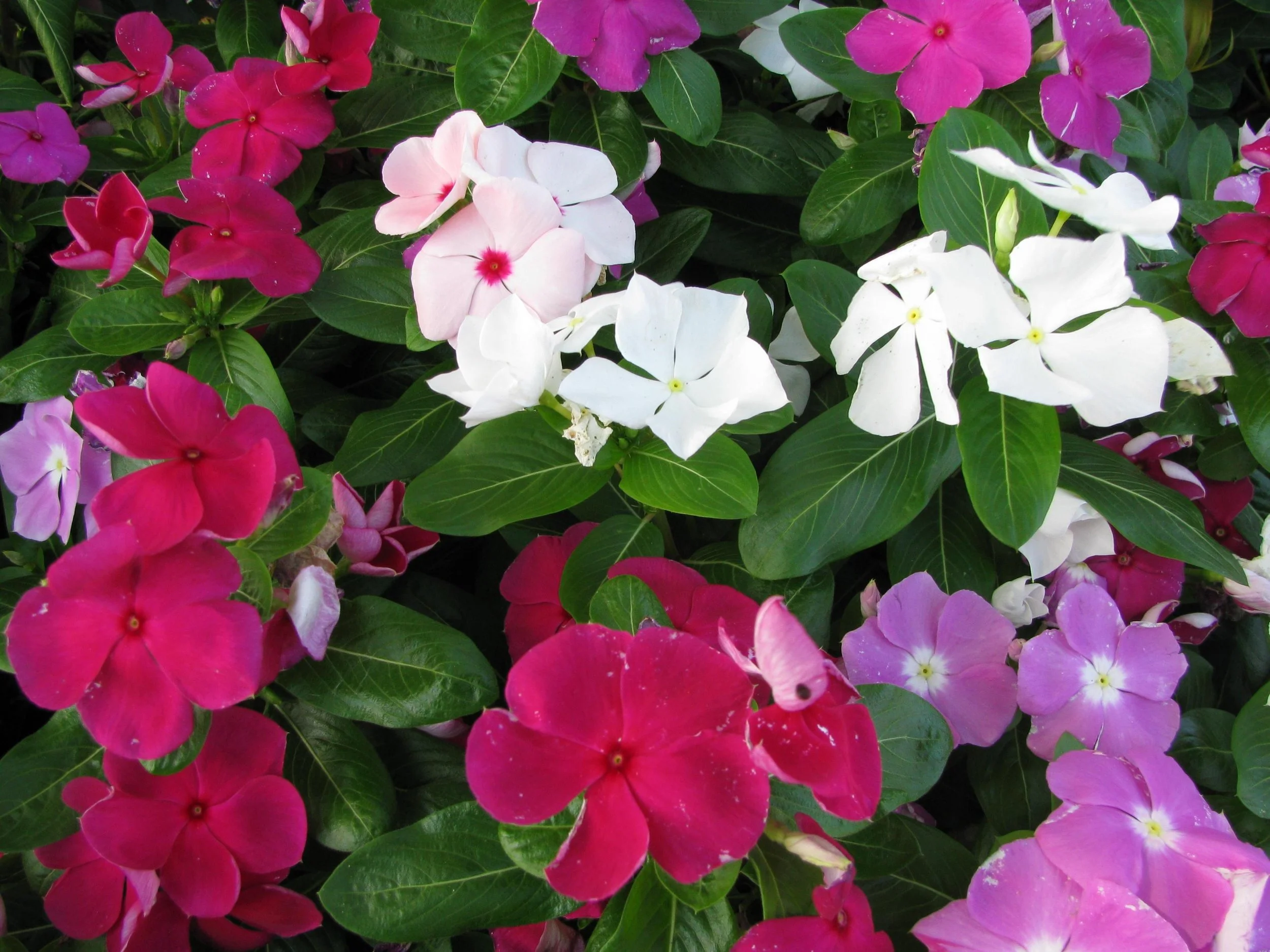
Vinca is one of the toughest annuals you can grow in the South. It loves heat, tolerates drought, and keeps blooming even in the peak of summer when other flowers give up. While vinca isn’t a major pollinator plant, it still contributes to overall garden diversity and provides occasional nectar. Think of it as a dependable filler that keeps your garden looking vibrant through the harshest months.
Zinnia
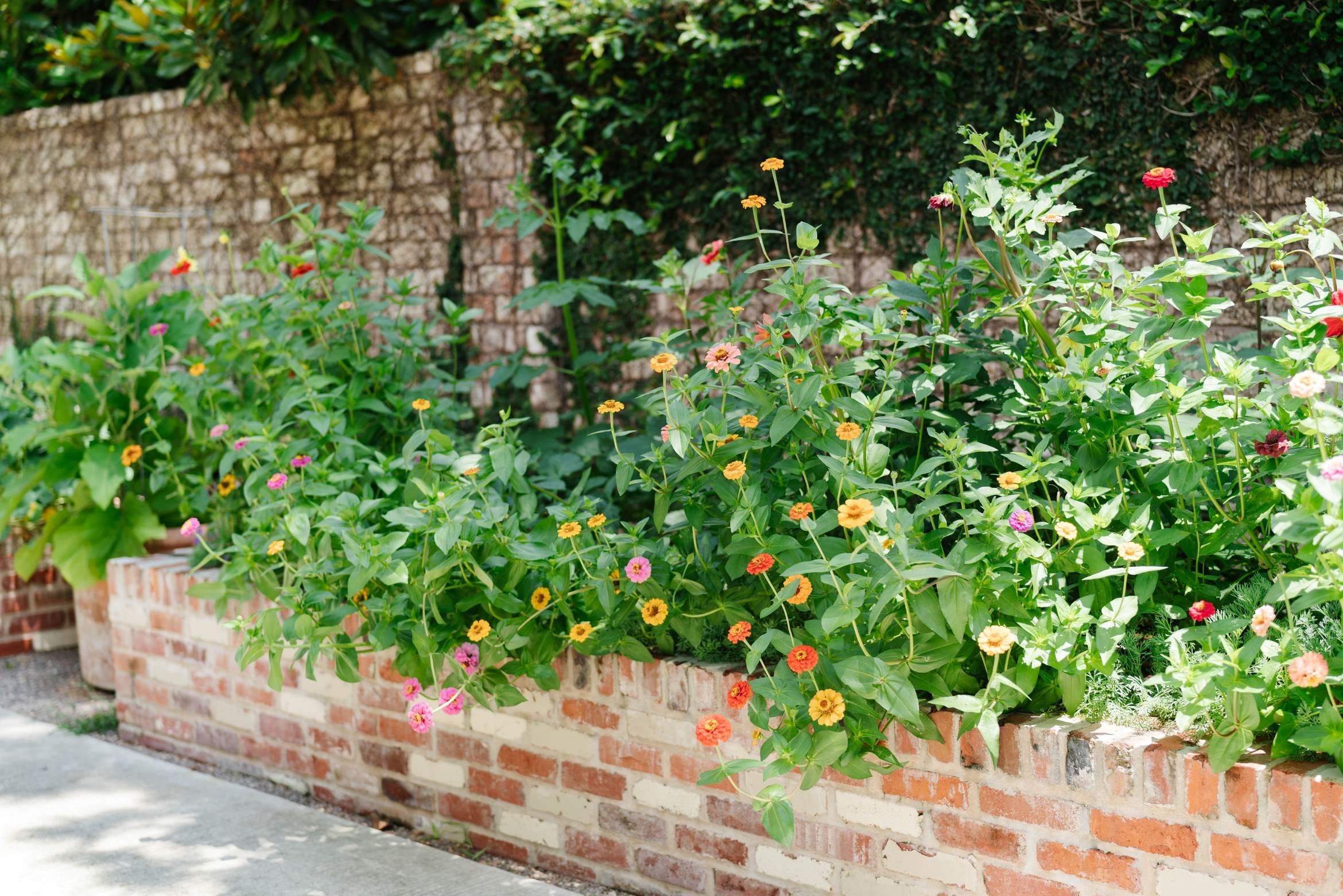
Zinnias are one of the best flowers you can grow for pollinators—especially in the South. They handle heat well, grow quickly from seed, and bloom in a wide range of colors and sizes. Bees and butterflies absolutely love them, and you’ll often see them covered in activity. The more you cut them, the more they bloom, making them perfect for both pollinators and bouquets.
Pentas
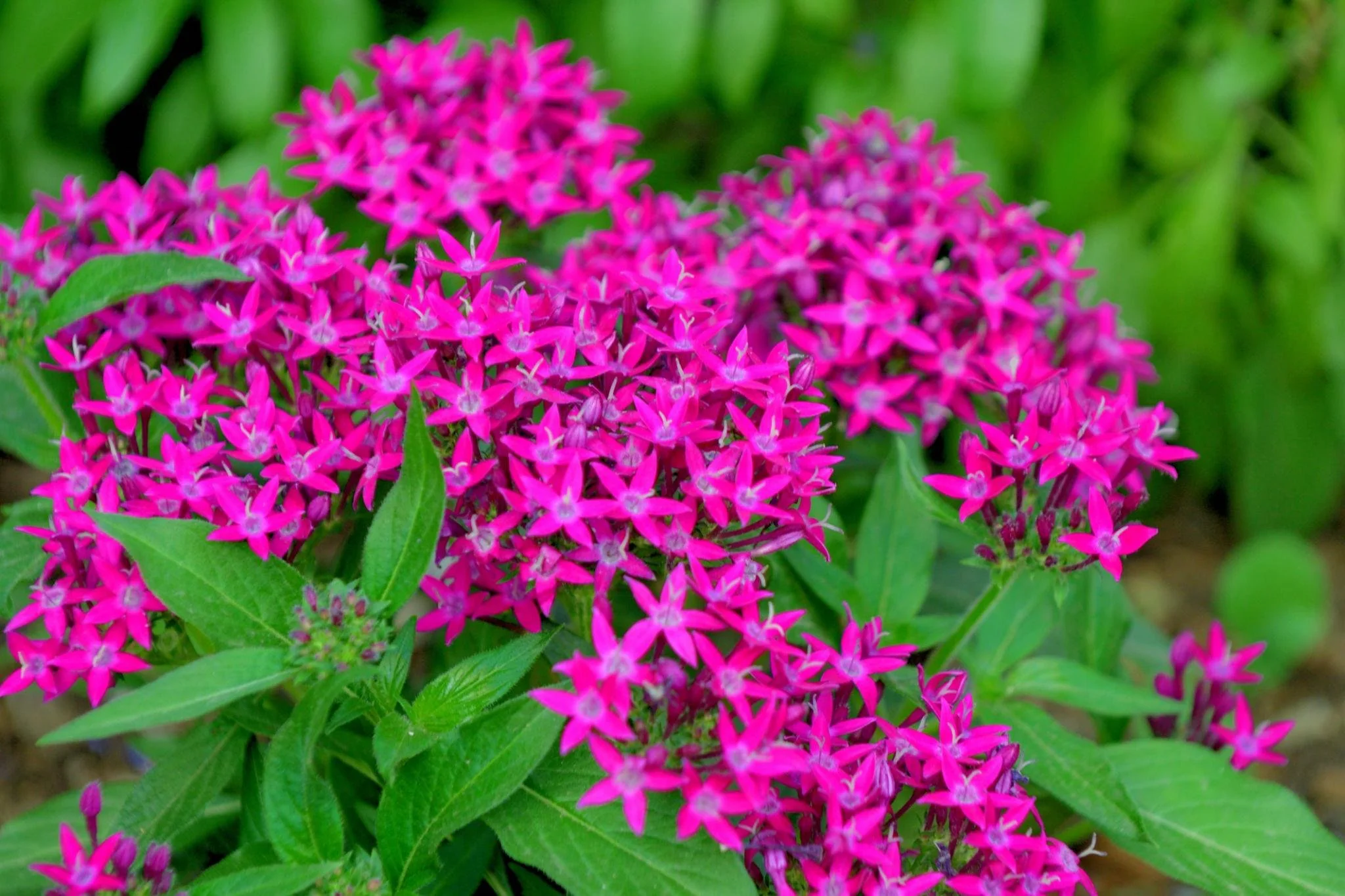
Pentas are a pollinator powerhouse. These star-shaped clusters of flowers are especially attractive to butterflies and hummingbirds, and they perform beautifully in Southern heat and sun. Once established, they bloom continuously and require very little fuss. If your goal is to actively draw pollinators into your garden, pentas are one of the best choices you can make.
If you have a bit more space and want to lean into native or more ecologically supportive options, these are excellent additions:
Purple Coneflower (Echinacea)
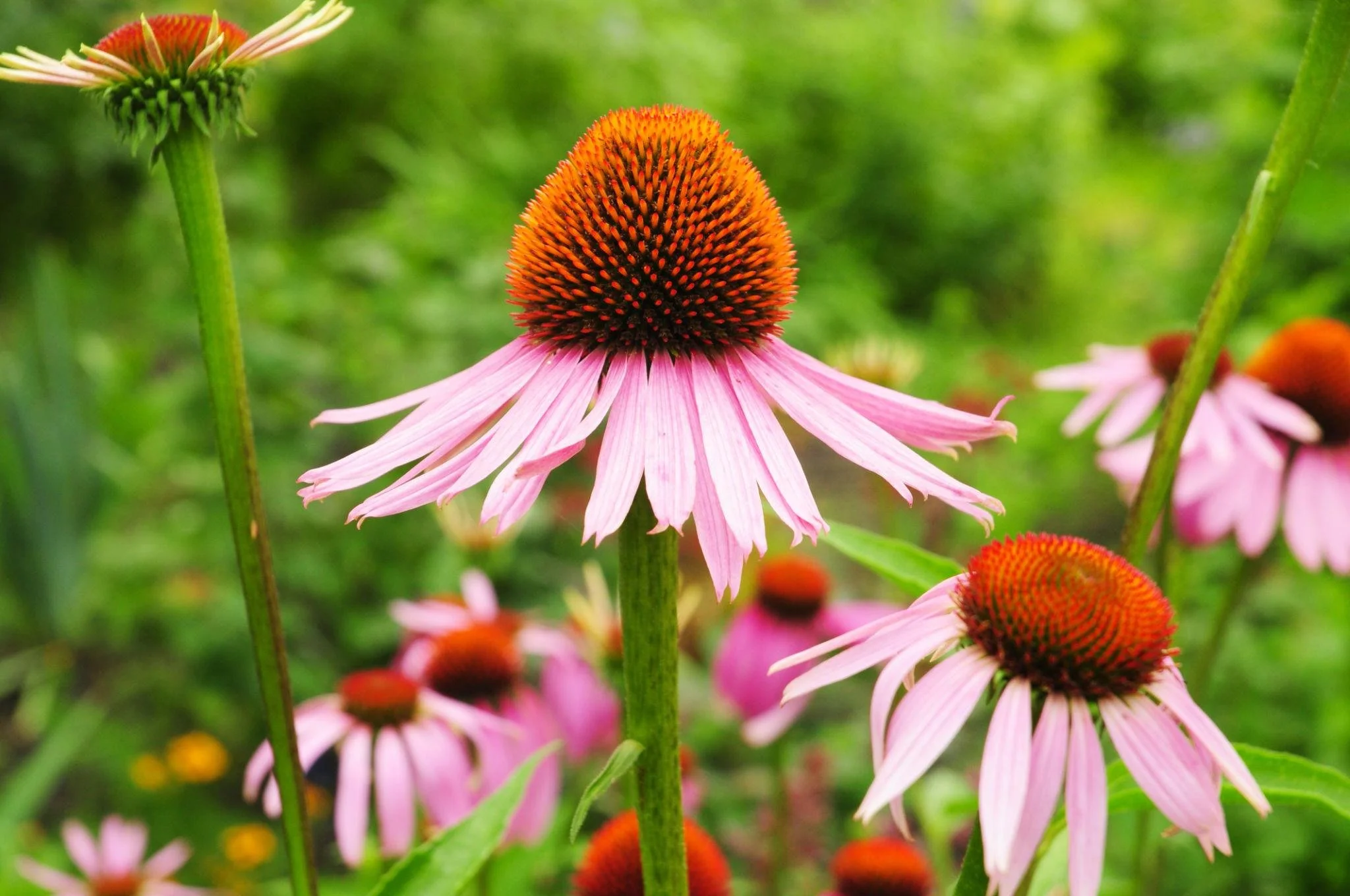
Purple coneflower is a hardy native perennial that thrives in Southern climates once established. It’s drought-tolerant and comes back year after year. Bees and butterflies love the nectar-rich blooms, and later in the season, birds will feed on the seed heads. It’s a great example of a plant that supports wildlife beyond just the growing season.
Rudbeckia (Black-eyed Susan)
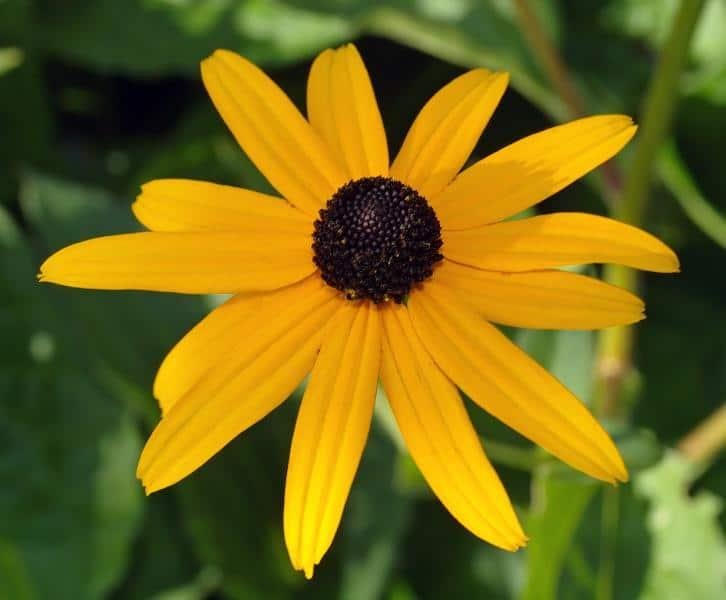
Rudbeckia brings bright, cheerful yellow blooms that handle heat and poor soil with ease. It’s another native-leaning plant that thrives in the South and is highly attractive to bees and butterflies. Like coneflower, it also provides seeds for birds later on, making it a strong ecological contributor to your garden.
Bee Balm (Monarda)
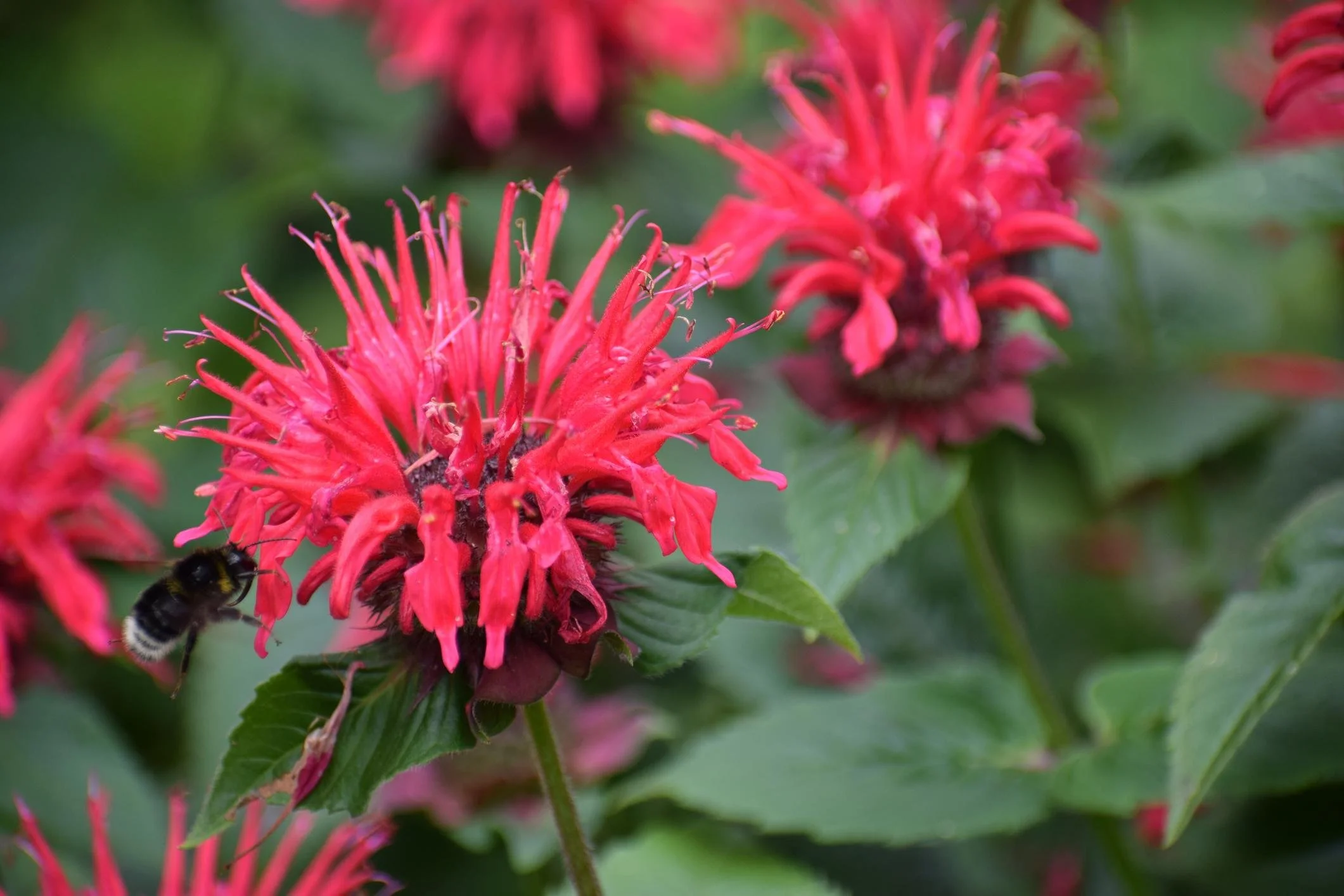
Bee balm is a pollinator favorite for a reason—it’s incredibly attractive to bees, butterflies, and hummingbirds. Its shaggy, vibrant blooms add a slightly wild, cottage-garden feel. In the South, it appreciates good air circulation and can benefit from some afternoon shade, but when it’s happy, it becomes a hub of activity.
Salvia
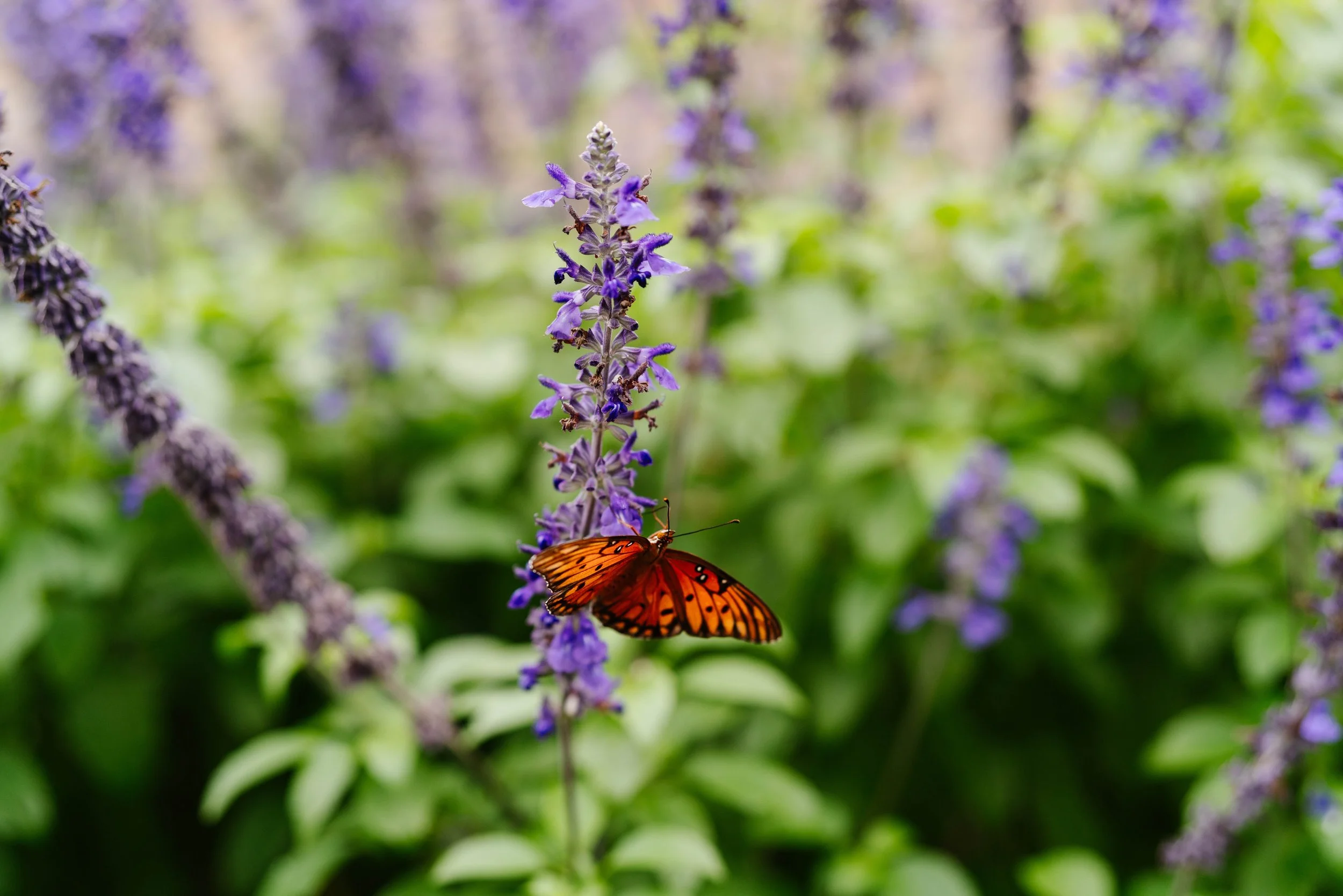
Mystic Spires Salvia with a butterfly
Salvia is one of the most reliable pollinator plants for hot climates. With its tall spikes of tubular flowers, it’s especially loved by hummingbirds, but bees and butterflies visit frequently as well. Many varieties are drought-tolerant and bloom for long stretches, making them a low-maintenance, high-impact choice.
Adding even a few of these flowers can noticeably increase pollinator activity in your garden. It’s a small trade-off in space that pays off with better yields, a healthier ecosystem, and a garden that feels vibrant and alive all season long.