
Grow interesting varieties with seeds!
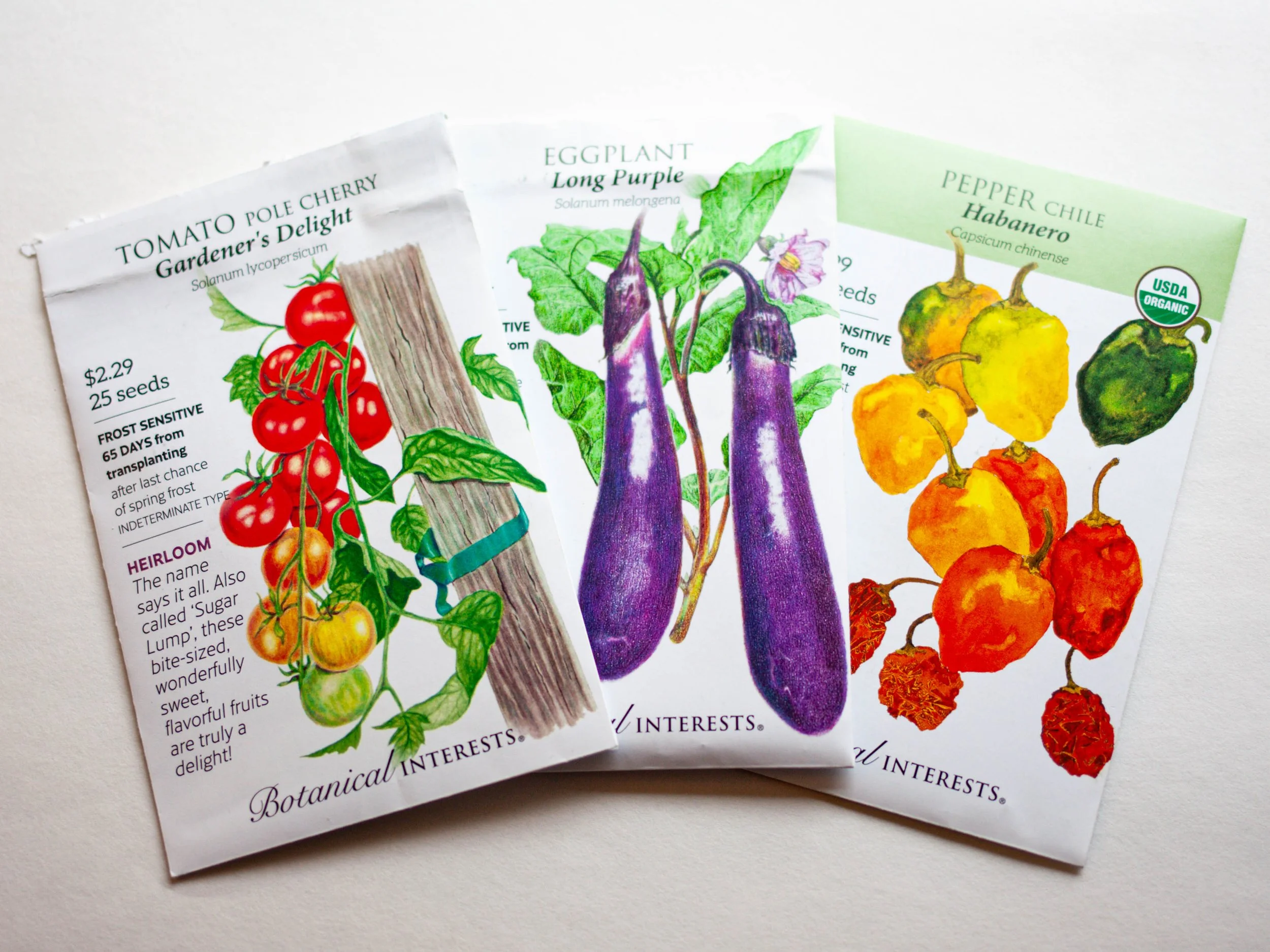
I know it’s cold outside and it doesn’t seem like we should be thinking about the Spring garden yet, but now is actually a great time to get seeds started, especially if you’re thinking of trying new varieties not available at your local nursery.
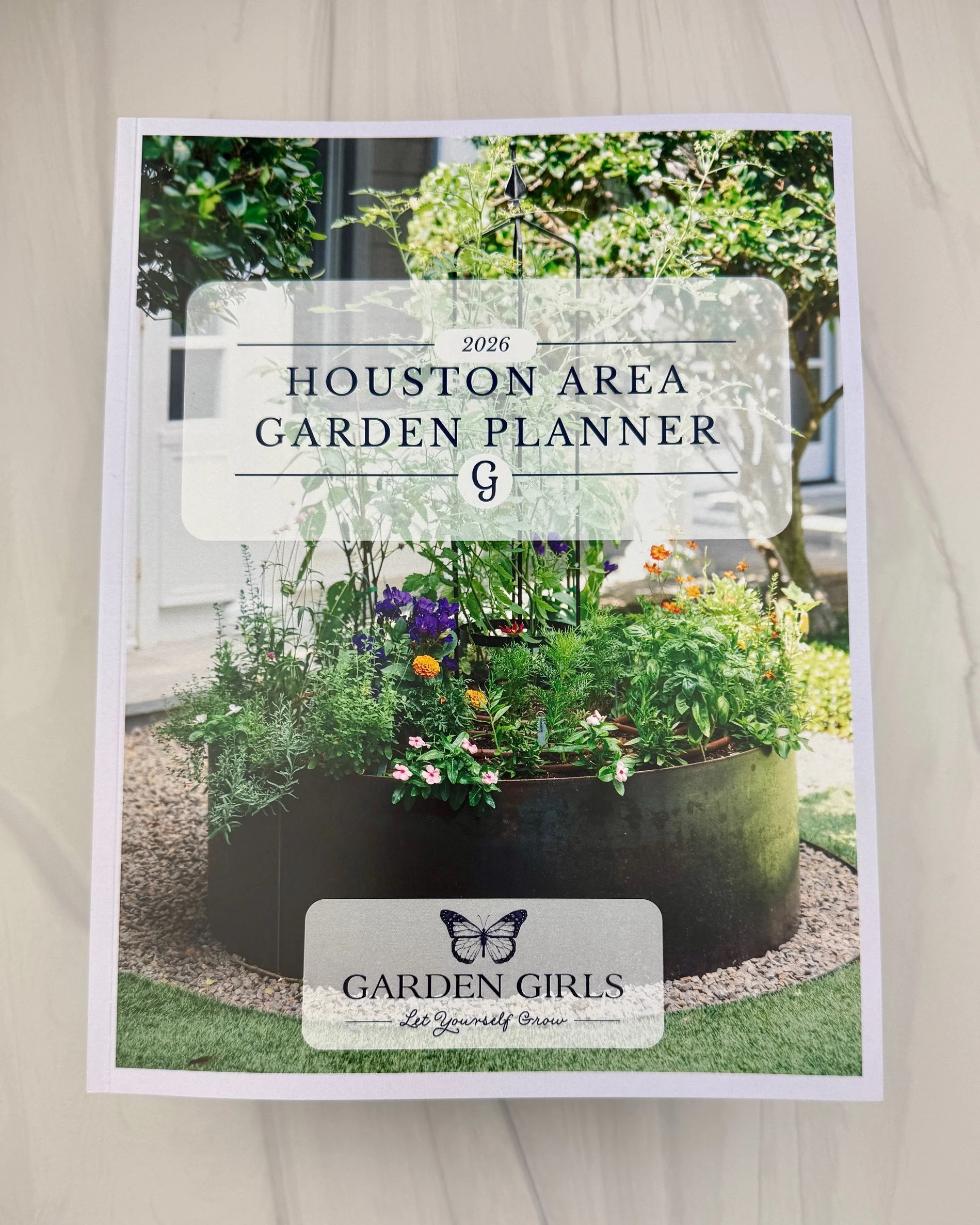
Most vegetable seeds take 1-2 weeks to germinate, then another month or two before they mature into transplantable plants. It’s a good idea to write down what/when you sow seeds and when you planted them outside in your 2026 Garden Planner. Read on to learn how best to start your new seeds!
What to Start Now
Late January through February is a great window to start many plants indoors. Warm-season vegetables like tomatoes, peppers, and eggplant benefit from an early start before it gets too hot. While many herbs, like basil, sage, and oregano can be started from seed, I like to get those as transplants so I can start using them right away. Many flowers including zinnias, cosmos, calendula, and marigolds can be started indoors now or direct-sown later in spring.
Use the Right Soil
When starting your seed trays, do NOT use garden soil or raised-bed mix. These are great for mature plants, but are too heavy for tiny seedling roots. Seeds do best in a light, fluffy seed-starting mix that drains well and holds moisture evenly. Look for mixes labeled “Seed-starting" or “soil-less”; fine-textured with no large bark chunks. At this stage, structure matters far more than nutrients, so resist the urge to add fertilizer.
Choose Containers With Drainage
Almost anything works as long as it drains. Plastic seed trays, small nursery pots, reused containers, or soil blocks all work well as long as they have drainage holes. For watering, smaller containers dry out faster and need closer attention, while slightly larger pots give seedlings more time before they’re ready for the raised bed. There’s no single “right” choice here; just use what fits your space and routine.
Planting and Watering
Depth matters when planting seeds. When in doubt, check the seed packet for planting info:
Tiny seeds (lettuce, basil, flowers) need light to germinate: sow on the surface, and don’t cover with soil
Medium seeds (peppers, tomatoes, eggplant, radishes): ¼ inch deep
Large seeds (beans, nasturtiums) : ½ inch deep
Water gently so seeds stay in place and don’t get washed away. Bottom watering works especially well in Houston’s humidity: place containers in a shallow tray of water and let moisture soak up from below, then discard any excess. Your soil should feel moist, like a wrung out sponge, but never soggy.
Light and Temperature Matter
Seedlings need more light than you think and more than most windows can provide. If possible, use grow lights positioned just a few inches above the trays for 12–16 hours a day until germination. Then raise them as the plants grow taller, always keeping the lights a few inches above the plants. This keeps seedlings compact and sturdy instead of tall and floppy.
Most veggie and herb seeds germinate between 70–80°F, with tomatoes and peppers preferring 75-85°F. If your home is a bit cooler, a heat mat can be very helpful until the seeds sprout.
When Seedlings Are Ready for Raised Beds
You’ll know seedlings are ready to move into raised beds once they have several sets of true leaves and look sturdy, but not spindly. Before planting, they need to be hardened off, which means gradually introducing them to outdoor conditions over about a weeks time.
Start with a few days outside in the shade and slowly increase sun exposure over the next few days. The Houston sun can be intense and hardening off will make a huge difference in your plants health.
Transplanting Into Raised Beds
Prepare your raised beds by adding compost and watering the soil before planting. Transplant seedlings in the early evening or on a cloudy day to reduce heat and light stress. The idea is to not plant them in the direct sun immediately.
Cool-season crops can handle earlier planting, while warm-season plants like tomatoes and basil do best once nighttime temperatures stay consistently above 50°F.
Water deeply after planting and consider using a temporary shade cloth for the first few days. A nice dose of Microlife Ocean Harvest is a good idea for hungry little plants.
A Houston Gardener’s Secret
Gardening in Houston is less about perfection and more about timing, observation, and a little flexibility. Make sure to get yourself a 2026 Garden Girls Planner to write down all your activities and observations. The more you write, the more you’ll learn for next time.
Luckily, you’ve got a lot of growing season ahead of you this year. Good luck and happy gardening!
-Lindsey