
Gardens are not "set it and forget it"
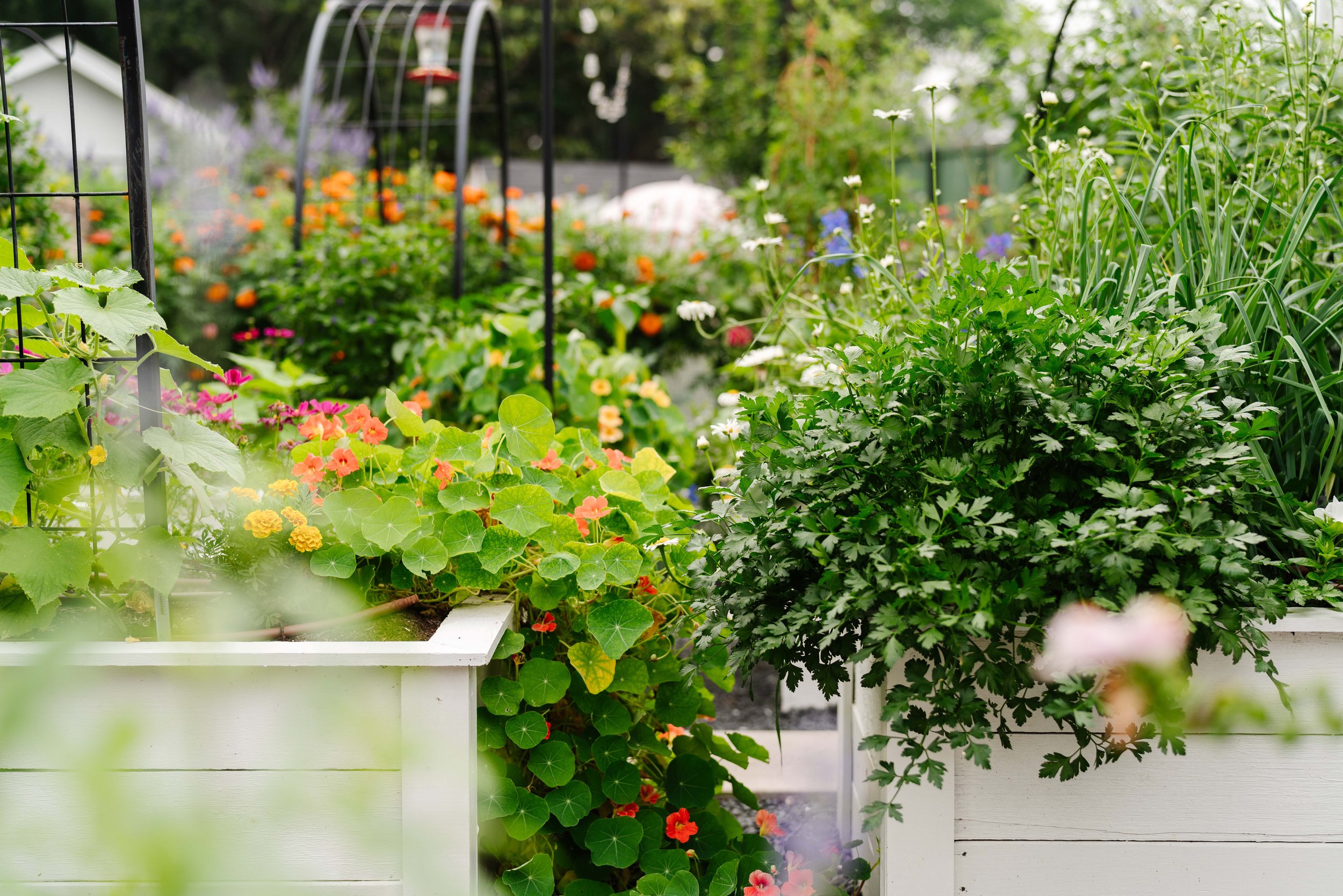
When the weather gets hot, it's tempting to plant a few things, turn on an automatic irrigation system, and let the garden take care of itself. Honestly, I'm feeling that temptation right now myself.
But gardens aren't really a "set it and forget it" kind of thing.
Plants are living things, and they change a little bit every day. The tomato that looked perfectly healthy yesterday might be covered in aphids today. The basil that was thriving last week may suddenly need more water as temperatures climb into the upper 90s. The only way to learn these rhythms is to spend time with your plants regularly.
The good news is that a daily garden check doesn't have to take long. Even five or ten minutes can make a huge difference. Walk through your garden with your coffee in the morning or during the cooler hours in the evening. Look closely. Touch a leaf. Notice what's changed since yesterday.
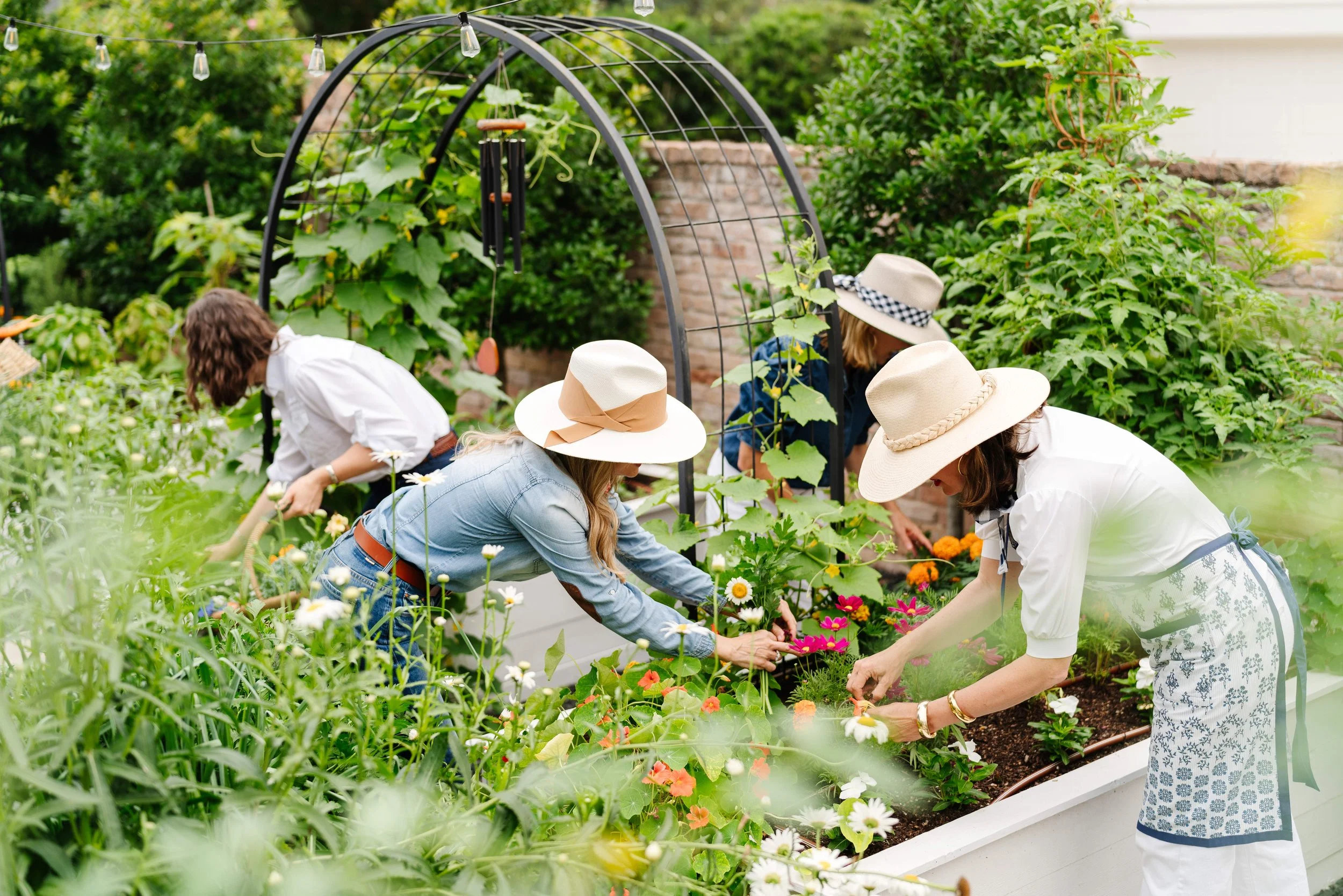
Here are a few things to do during your daily garden check:
1. Check for signs of stress.
Are leaves drooping, yellowing, curling, or developing spots? Plants often tell you when something is wrong long before the problem becomes serious.
2. Look for pests and beneficial insects.
Flip over a few leaves and inspect stems for aphids, caterpillars, or spider mites. While you're there, celebrate the good bugs too—ladybugs, lacewings, bees, and butterflies are all signs of a healthy garden ecosystem.
3. Pay attention to moisture levels.
Automatic irrigation systems are wonderful tools, but they aren't perfect. Some areas may stay too wet while others dry out faster than expected. Stick a finger into the soil and see how it feels.
4. Notice growth and celebrate small wins.
A new flower bud, the first tiny pepper, a sunflower that's suddenly two inches taller than yesterday—these little moments are easy to miss if you aren't looking for them. They are also some of the best parts of gardening.
The more time you spend in your garden, the more you'll begin to understand it. You'll learn what healthy growth looks like, when something seems "off," and how your plants respond to heat, rain, and changing seasons.
Experience in gardening isn't built from books alone. It's built one walk through the garden at a time.
So get outside, even if it's just for a few minutes. Take a look around. Touch a leaf. Your garden has something to teach you today.